Colombia Carbonic Honey Mango/Coconut Co-Ferment
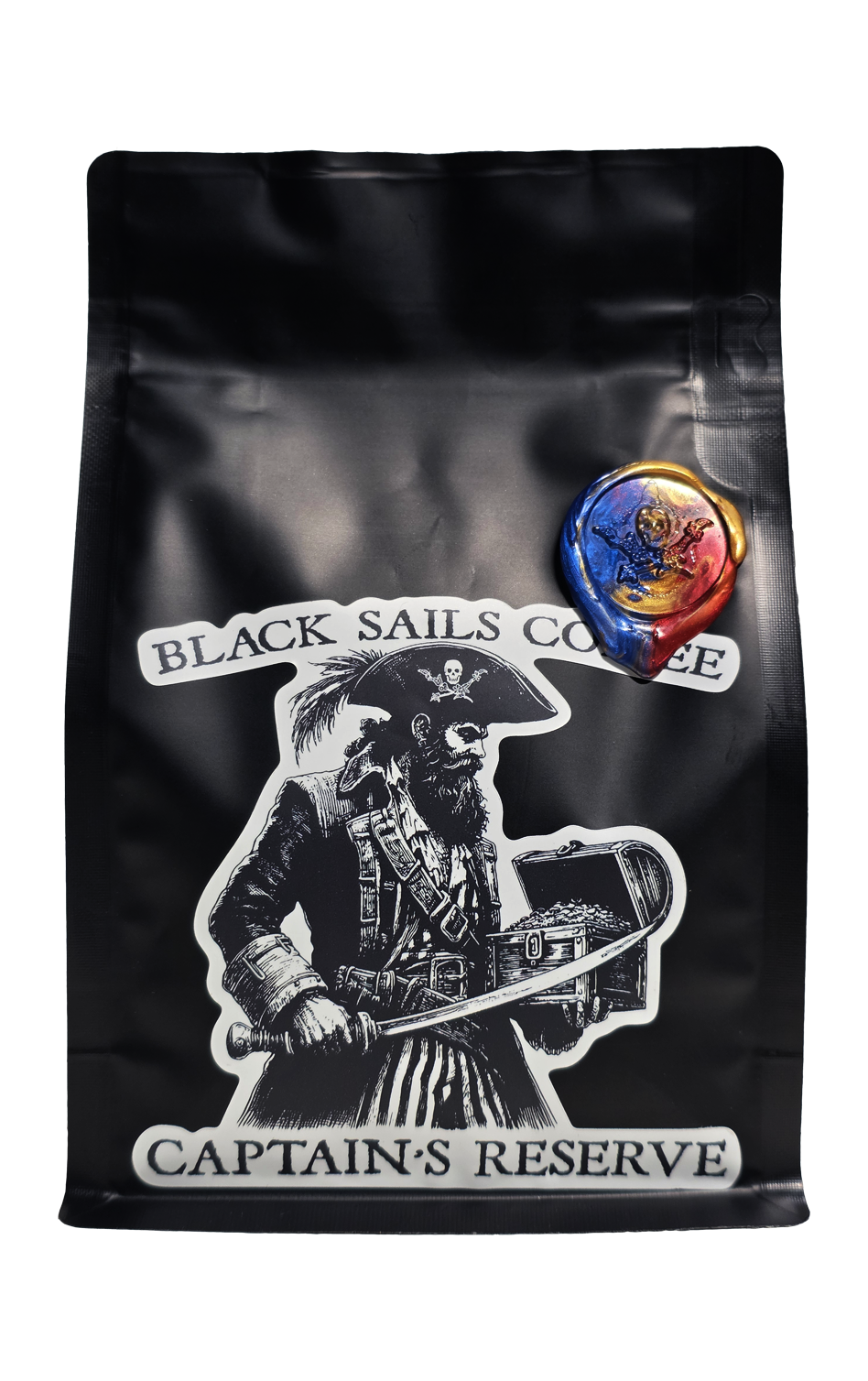
Colombia Carbonic Honey Mango/Coconut Co-Ferment
from $32.00
Roast Level: Light
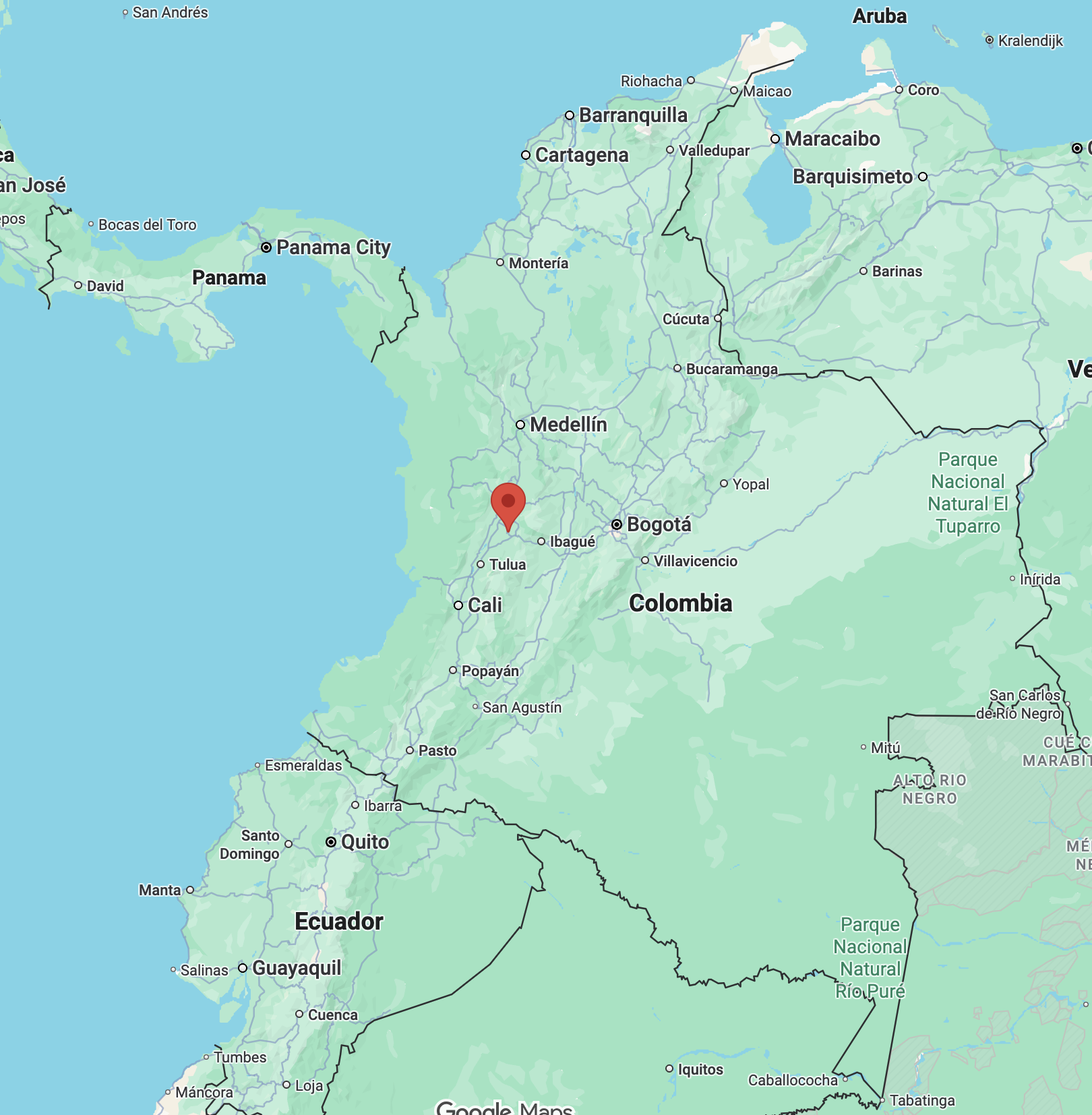
Region: Quimbaya Municipality, Quindío Department, Colombia
Farm: Finca Sicilia
Producer: Pedro Nel Salazar
Flavor Notes: Toasted Coconut, Mango, Piña colada, Coconut ice cream, Crème Brûlée, and Almond Joy candy bars.
Process: Carbonic Maceration + Honey + Co - Ferment
Varietal: Caturra
Altitude: 1,500 Meters Above Sea Level
Whole Bean or Ground:
Quantity:
The perfect flavor profile to launch Summer break for all the coffee aficionados has officially arrived! We’re so stoked to introduce this cupping table stunner - the Colombia Carbonic Honey Mango/Coconut Co-Ferment. The notes are so unsubtle coconut with the sweetness of mango - it’s a surprising cup, so enjoy and have fun with this one.
About the VARIETAL & Farm:
“Pedro Nel Salazar is a second-generation coffee farmer, with 200 hectares under his management across two family farms, Sicilia and Cerdeña, which are both located in Quimbaya, a municipality in western Quindío department. For such a naturally gifted department as Quindío, it tends to receive less recognition than others for its coffee. Quindío is Colombia’s second-smallest department by size, making up only about 0.2% of the national territory. It’s location, however, right on the central cordillera of Colombia’s vast Andes divide, and centrally between the country’s largest and most influential cities (Bogotá, Medellín, and Cali), give it a high volume of tourist traffic, coffee industry, airline commuters, and idyllic getaways in the form of brightly painted mountain towns, natural reserves, and high elevation tropical landscapes throughout. Almost the entire department is mountainous, its lowest elevations still over 1000 meters, and many parts are dense with coffee plantations, from the small to the large and ambitious.
Largely focused on productive verities like Caturra and Castillo, the Salazar’s farms have been in the habit of producing classic central Colombian coffees for many years. This coffee, a mango and coconut co-ferment, is a massive break from that tradition.”
About THE PROCESSING + Fermentation METHOD:
This Colombian is a honey processed, carbonic macerated co-ferment dried with Mango and Coconut.
To process the coffee from Finca Sicilia, initial storage and “pre-fermentation” were undertaken by Pedro Nel Salazar, measuring the precise Brix (18°) of the cherries and then soaking them for 2 hours, followed by a 12-hour low-oxygen fermentation.
Carbonic Maceration: This process is essentially when coffee is macerated, or fermented, in a carbon-dioxide rich environment.
Honey Process: To honey process coffee, the outer cherry layer is removed with the inner pulp mucilage left on the bean. After this, the beans are soaked and dried for a set amount of time and moisture content in order to allow the compounds in the pulp to penetrate into the inner bean. Overall, this process requires precision and more time than other popular coffee processing methods, but the end result often yields a fruitier, less acidic coffee.
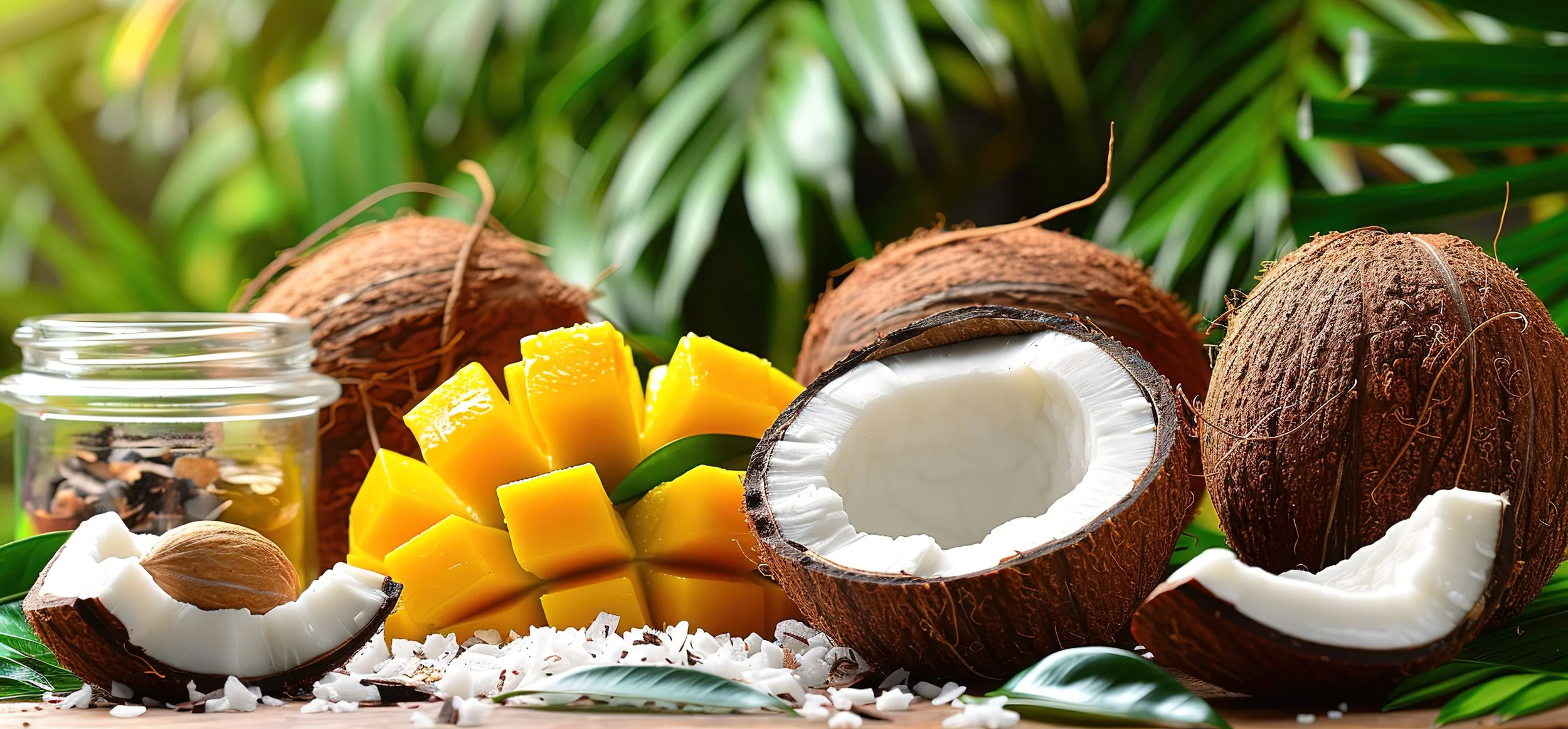
Mango & Coconut Co-Fermentation: Edwin Noreña brought the co-fermentation to completion, first undergoing a carbonic maceration for 48 hours. The resulting must (aka mossto or backslop) was inoculated with lactic acid bacteria, and mixed with dehydrated coconut, fresh mango, and allulose sugar. Separately, the coffee cherries were ligthly depulped to a dark honey level, and then macerated with the coconut-mango lactic must solution for another 72 hours. Finally, the finished coffee was pulled from the fermentation tanks, drained but not washed, and dried in a greenhouse with dehydrated pulp for another 10 days.