SPECIALTY COFFEE

Shop our selection of coffee and merch!

Shop All Coffee or Choose a specific category below

Captain's Reserve Kenya Kirinyaga Kainamui Peaberry

Captain's Reserve Kenya Kirinyaga Kainamui Peaberry

from $25.00
  • Roast Level: Medium

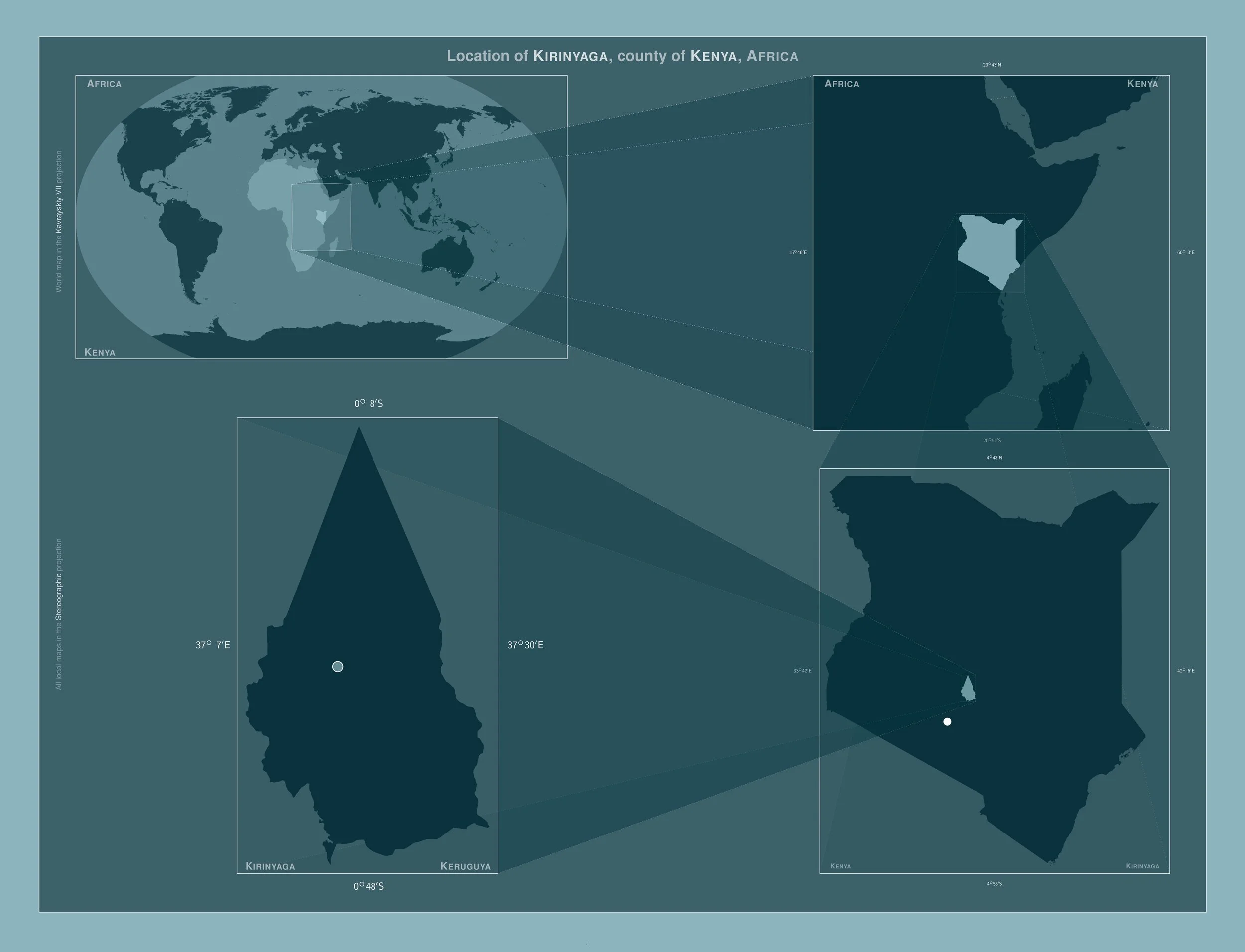
  • Region: Kianyaga, Kirinyaga

  • Flavor Notes: Dark Chocolate, Hazelnut, Coffee Ice Cream, Creamy, Smooth, Medium Body

  • Process: Washed

  • Varietal: SL-28, SL-34, Ruiru-11

  • Altitude: 1,700 Meters Above Sea Level

Whole Bean or Ground:
Quantity:
Add To Cart

Joining the ranks of our Captain’s Reserve line-up is this washed process, 100% Peaberry offering from beautiful Kenya.


About the VARIETAL & Farm:

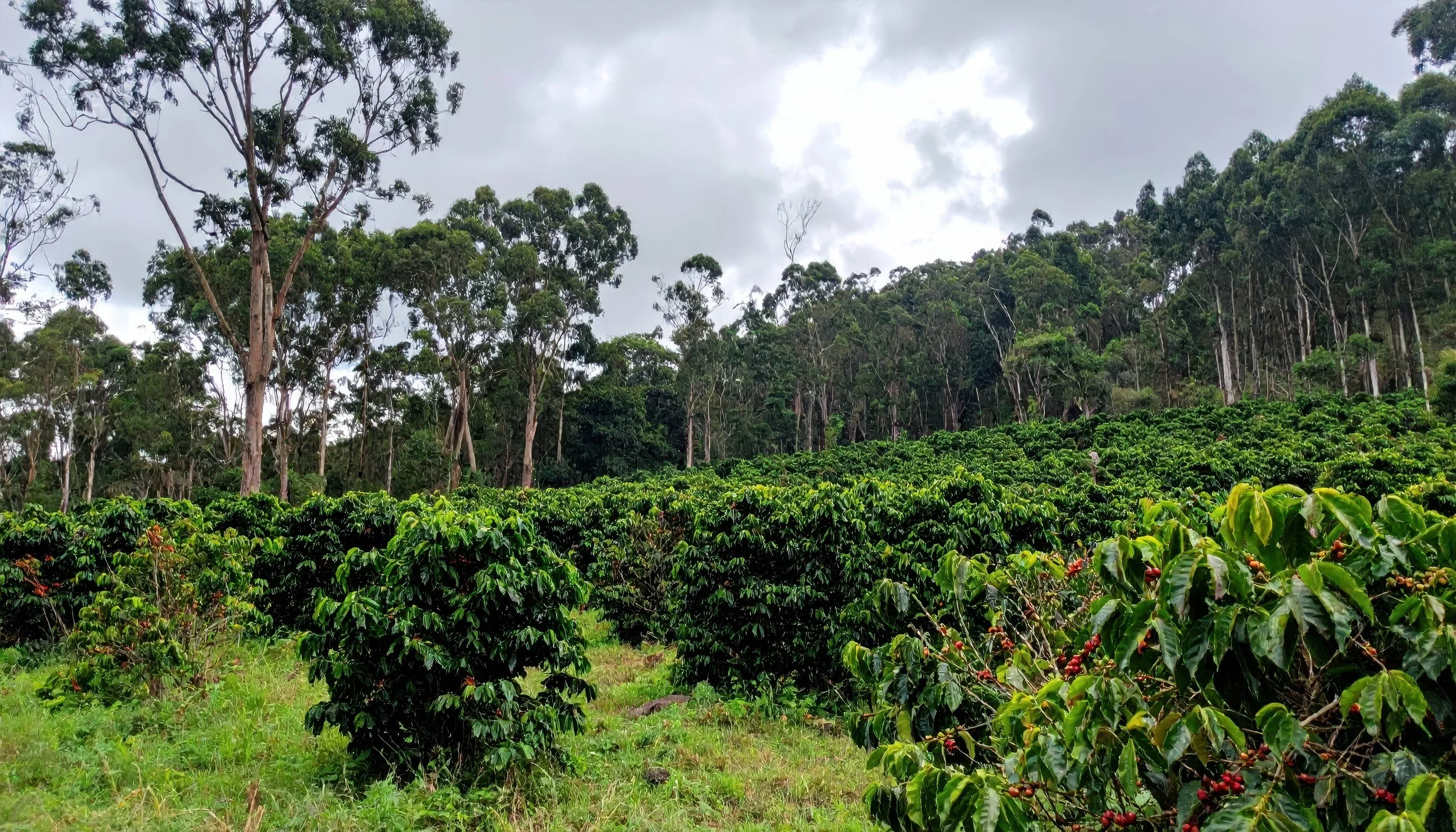
Kainamui is a "factory," a coffee mill in Kenya terminology, from the Kirinyaga growing district. This is where the farmers bring the coffee cherry they harvest in the local area for pulping, fermenting, and sun-drying. It is a cooperative coffee, one of two mills in the New Ngariama Farmers Cooperative Society, in the town of Kianyaga. While we have nothing against estate coffees, oftentimes the qualities from cooperatives is superior in Kenya. In a coop, each member is tending to only 200-500 trees on less than a hectare, as opposed to a huge estate that uses agribusiness growing methods. On its face, you might suspect that blending different coffees from hundreds of farms (sometimes more than a thousand!) might compromise quality in some way. But in many parts of East Africa where this model is prevalent (Kenya, Ethiopia, Rwanda, Burundi, for example), the exact opposite is true.




About PEABERRY COFFEE:

Called “caracol” for snail in Spanish, peaberry coffee is a natural mutation that occurs inside the coffee cherry. Rather uncommon, this mutation makes up only 5-10% of the world’s coffee beans. Instead of developing with two halves, peaberries develop into one whole bean.

Because of this, they’re generally smaller, denser, and a rounder shape than average coffee beans. How and why this mutation happens is still a mystery. All we have, currently, are theories. A couple of popular ones involve specific environmental conditions or insufficient pollination. But, so far, no one's been able to replicate the mutation. It’s important to note that peaberry describes the actual coffee bean itself, not where it’s grown. This mutation can occur anywhere in the world.

Sorting peaberry coffee beans takes a lot of extra work. From the outside, you can't tell if a coffee cherry is hiding a regular coffee bean or a peaberry. Once the coffee cherries are harvested and dried, the coffee farmers then must hand sort and separate from normal beans. The extra labor and attention to detail required to achieve a bag of 100% peaberry coffee is extraordinary but the effort is well worth the increased cost.


Tasting Notes:

This pride of Kenya and unique, not to mention scarce, offering is a wonderful reminder that Africa includes many great coffee producing countries outside of Ethiopia. This coffee provides the drinker with a medium bodied, smooth cup that becomes creamier as it cools. We tasted dark chocolate, hazelnut, coffee ice cream, with background notes of lime. We would highly recommend it as a pour over option in your daily routine.

Please Note:

This coffee is a premium offering and, as a result, comes in an 8 ounce bag. Due to it’s limited availability we cannot offer it in a larger bag size.